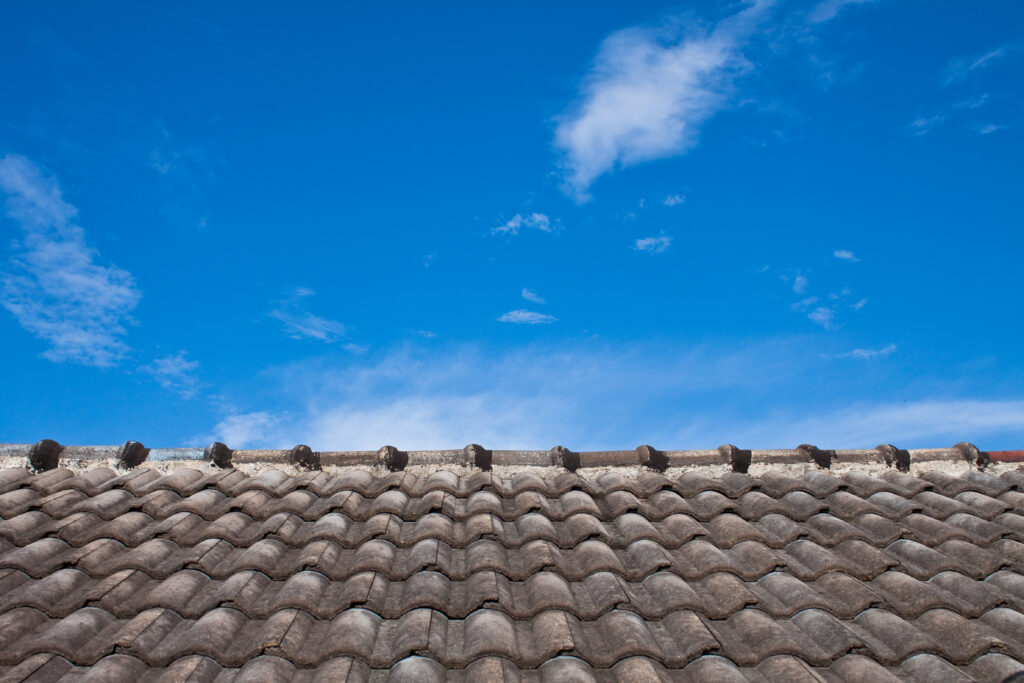
How to Maintain Your Roof Year-Round
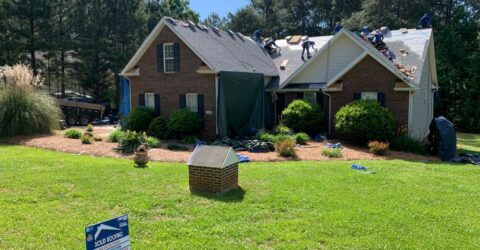
Regular roof maintenance is essential to prolonging the lifespan of your roofing system. Homeowners should perform seasonal inspections to identify and address minor issues before they escalate into costly repairs. This includes checking for missing shingles, debris accumulation, and signs of water damage.
In addition to visual inspections, it's advisable to schedule professional roof evaluations at least twice a year. Professionals can provide a thorough assessment and recommend necessary maintenance tasks, such as cleaning gutters and sealing leaks, ensuring your roof remains in optimal condition throughout the year.
Understanding Different Roofing Materials
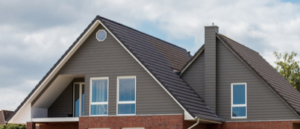
Choosing the right roofing material is crucial for durability, aesthetics, and energy efficiency. Common options include asphalt shingles, metal roofing, and tile, each with distinct advantages and disadvantages. Asphalt shingles are popular for their affordability and ease of installation, while metal roofs offer longevity and excellent weather resistance.
When selecting roofing materials, consider factors such as climate, architectural style, and budget. For instance, metal roofs are ideal for areas with heavy snowfall, while tile roofs are favored in warmer climates for their insulation properties. Understanding these materials helps homeowners make informed decisions that suit their specific needs.
Signs You Need Roof Repair or Replacement
Recognizing the signs that your roof may need repair or replacement is critical for maintaining the integrity of your home. Common indicators include visible sagging, water stains on ceilings, and missing or damaged shingles. If you notice any of these signs, it's essential to act quickly to prevent further damage.
Additionally, age plays a significant role in determining whether your roof requires replacement. Most roofing systems have a lifespan of 20-30 years, depending on the material. If your roof is approaching this age and exhibiting signs of wear, a professional assessment can help you decide between repair and replacement options.
Choosing the Right Roofing Contractor
Finding a trustworthy roofing contractor is vital for ensuring quality workmanship and reliable service. Start by researching local contractors, checking their credentials, and reading customer reviews. It's important to request multiple quotes and compare them to understand the market rates and services offered.
Additionally, verify that the contractor is licensed and insured to protect yourself from potential liabilities. A reputable contractor will provide a detailed contract outlining the scope of work, materials used, and timelines, ensuring transparency throughout the roofing project.
How to Maintain Your Roof Year-Round
Regular roof maintenance is essential to prolonging the lifespan of your roofing system. Homeowners should perform seasonal inspections to identify and address minor issues before they escalate into costly repairs. This includes checking for missing shingles, debris accumulation, and signs of water damage.
In addition to visual inspections, it's advisable to schedule professional roof evaluations at least twice a year. Professionals can provide a thorough assessment and recommend necessary maintenance tasks, such as cleaning gutters and sealing leaks, ensuring your roof remains in optimal condition throughout the year.
Understanding Different Roofing Materials
Choosing the right roofing material is crucial for durability, aesthetics, and energy efficiency. Common options include asphalt shingles, metal roofing, and tile, each with distinct advantages and disadvantages. Asphalt shingles are popular for their affordability and ease of installation, while metal roofs offer longevity and excellent weather resistance.
When selecting roofing materials, consider factors such as climate, architectural style, and budget. For instance, metal roofs are ideal for areas with heavy snowfall, while tile roofs are favored in warmer climates for their insulation properties. Understanding these materials helps homeowners make informed decisions that suit their specific needs.
Signs You Need Roof Repair or Replacement
Recognizing the signs that your roof may need repair or replacement is critical for maintaining the integrity of your home. Common indicators include visible sagging, water stains on ceilings, and missing or damaged shingles. If you notice any of these signs, it's essential to act quickly to prevent further damage.
Additionally, age plays a significant role in determining whether your roof requires replacement. Most roofing systems have a lifespan of 20-30 years, depending on the material. If your roof is approaching this age and exhibiting signs of wear, a professional assessment can help you decide between repair and replacement options.
Choosing the Right Roofing Contractor
Finding a trustworthy roofing contractor is vital for ensuring quality workmanship and reliable service. Start by researching local contractors, checking their credentials, and reading customer reviews. It's important to request multiple quotes and compare them to understand the market rates and services offered.
Additionally, verify that the contractor is licensed and insured to protect yourself from potential liabilities. A reputable contractor will provide a detailed contract outlining the scope of work, materials used, and timelines, ensuring transparency throughout the roofing project.